Acupuncture for dogs is a gentle, non-invasive treatment that supports comfort and mobility in dogs with pain, chronic conditions, or recovery needs after injury. It works by stimulating specific points to trigger natural healing responses, and it suits dogs of all ages. At The Biohacked Dog, each session is tailored to your dog's unique needs …

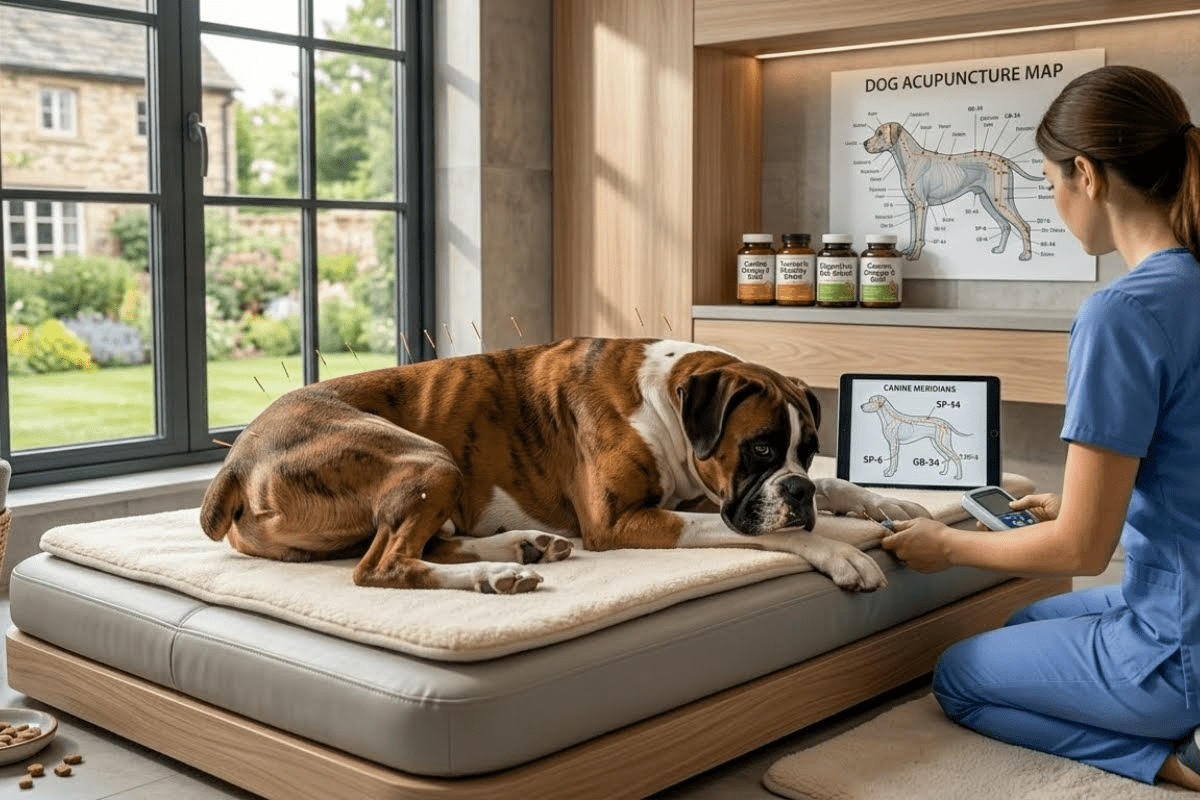
Acupuncture for dogs is a gentle, non-invasive treatment that supports comfort and mobility in dogs with pain, chronic conditions, or recovery needs after injury. It works by stimulating specific points to trigger natural healing responses, and it suits dogs of all ages. At The Biohacked Dog, each session is tailored to your dog’s unique needs in a calm, relaxing environment.
Acupuncture can improve mobility, reduce inflammation, and support recovery. Dogs with arthritis, hip dysplasia, or joint problems often experience meaningful relief. It can also help pets manage anxiety and stress, and works well alongside conventional veterinary care.
How Dog Acupuncture Works?
Acupuncture uses tiny, sterile needles inserted into specific points on a dog’s body corresponding to nerves, muscles, and tissue systems. Stimulating these points triggers natural mechanisms that can reduce pain and support healing.
One primary mechanism is the release of endorphins, the body’s natural painkillers, which reduces discomfort and promotes relaxation. Needles can also improve local blood flow, bringing oxygen and nutrients to muscles and tissue, which supports healing and helps reduce swelling. Acupuncture also stimulates nerves in ways that can reduce pain signals reaching the brain, allowing dogs to regain flexibility and mobility even after chronic injury.
Conditions That Benefit from Acupuncture For Dogs
Acupuncture is most established for chronic joint conditions like arthritis and hip dysplasia, where dogs often show reduced stiffness and improved movement after a course of treatment. It’s also commonly used to support recovery from fractures, muscle strains, and surgery.
Some integrative practitioners also use acupuncture as a complementary approach for digestive upset, though the evidence here is less established than for musculoskeletal conditions. Dogs experiencing stress or anxiety may also find it calming. Senior dogs facing multiple age-related issues often respond well to consistent treatment.
Benefits of Acupuncture For Dogs?
The best-supported benefits are improved circulation, reduced inflammation, and better mobility — dogs with joint issues often regain the ability to stand, walk, and play more comfortably. Acupuncture may also help with stress- related behavior, as many dogs find the treatment calming.
This therapy is gentle, low-risk, and can be combined with other treatments such as physical therapy or medication for better overall outcomes.
Common Health Issues Treated with Acupuncture
Chronic pain and joint issues are the most common and best-supported reasons dogs receive acupuncture — arthritis, hip dysplasia, and general stiffness typically improve with consistent therapy. Dogs recovering from surgery or trauma can also benefit, since improved circulation supports healing of muscle, joint, and soft tissue.
Neurological conditions such as intervertebral disc disease often respond well to acupuncture, which can help reduce pain signals and support healthy nerve function. Some practitioners also use it as a complementary approach for digestive upset or skin conditions, though evidence for these uses is less robust than for musculoskeletal and neurological applications. Acupuncture is also used to help manage anxiety, stress, and other behavioral challenges, and many senior dogs find relief from multiple age-related issues at once.
What to Expect During a Dog Acupuncture Session
Before treatment, the practitioner reviews your dog’s medical history and current concerns to identify the most effective points. Ultra-fine, sterile needles are gently inserted — most dogs remain calm, and many relax or even fall asleep during treatment.
Some dogs receive electroacupuncture, which applies a mild electrical current to the needles to enhance pain relief and stimulate nerve function. Sessions typically last 20 to 30 minutes depending on the dog’s condition and tolerance. Response is recorded after each session, and a follow-up plan is suggested — some dogs show immediate improvement, while chronic conditions may need multiple sessions.
Is Acupuncture Painful for Dogs?
Acupuncture is generally not painful for dogs. The needles are smaller than typical injection needles and placed in areas with fewer nerve endings — many dogs barely notice them and may find the session relaxing. Some dogs are more sensitive, and practitioners minimize discomfort by using the fewest needles necessary and adjusting depth as needed. Overall, it’s considered a gentle, low-risk therapy that fits well into a dog’s regular care routine.
Supporting Your Dog at Home Between Sessions
Gentle walks, stretching, and low-impact exercise help maintain joint flexibility between sessions. A quiet, comfortable resting area and consistent nutrition further support recovery. Reducing stress and keeping a consistent routine helps dogs feel secure. Following your veterinarian’s guidance on exercise, supplements, and activity level helps ensure steady progress between treatments.
The Bottom Line on Dog Acupuncture
Dog acupuncture is a safe, well-established therapy for pain relief, improved mobility, and recovery support. Its strongest evidence is in musculoskeletal and neurological conditions; other uses (digestive, skin, behavioral) are more commonly reported by practitioners than confirmed by robust research, and are worth discussing with your veterinarian on a case-by-case basis.
If you want your dog to move more freely and comfortably, talk to your veterinarian about whether acupuncture is a good fit.
Frequently Asked Questions
1. Does acupuncture for dogs really help with pain?
Yes, acupuncture for dogs helps reduce pain naturally by stimulating endorphins and improving blood flow. Many dogs experience noticeable relief after just a few sessions.
2. How many acupuncture sessions does my dog need?
The number of sessions varies by condition and your dog’s response. Some pets show improvement after one session, while chronic issues may require multiple treatments over weeks.
3. Is acupuncture safe for older pets?
Absolutely. Acupuncture is gentle and low-risk. Senior dogs often benefit greatly, experiencing better mobility, reduced stiffness, and improved overall comfort.
4. Can acupuncture help with behavioral or stress issues?
Yes. Acupuncture has a calming effect and can help dogs cope with anxiety, fear, and stress-related behaviors, improving their mood and daily life.
5. Should my dog rest after acupuncture?
Light rest is recommended, but most dogs can resume normal activities shortly after treatment. Avoid strenuous exercise immediately following sessions unless advised by your veterinarian.