
When your dog is dealing with joint pain, slow-healing wounds, or general stiffness, it can be hard to know how to help. This is where PEMF therapy for dogs can play a helpful role. Pulsed electromagnetic field (PEMF) therapy is a gentle, non-invasive treatment that supports your dog's body at the cellular level, helping reduce …

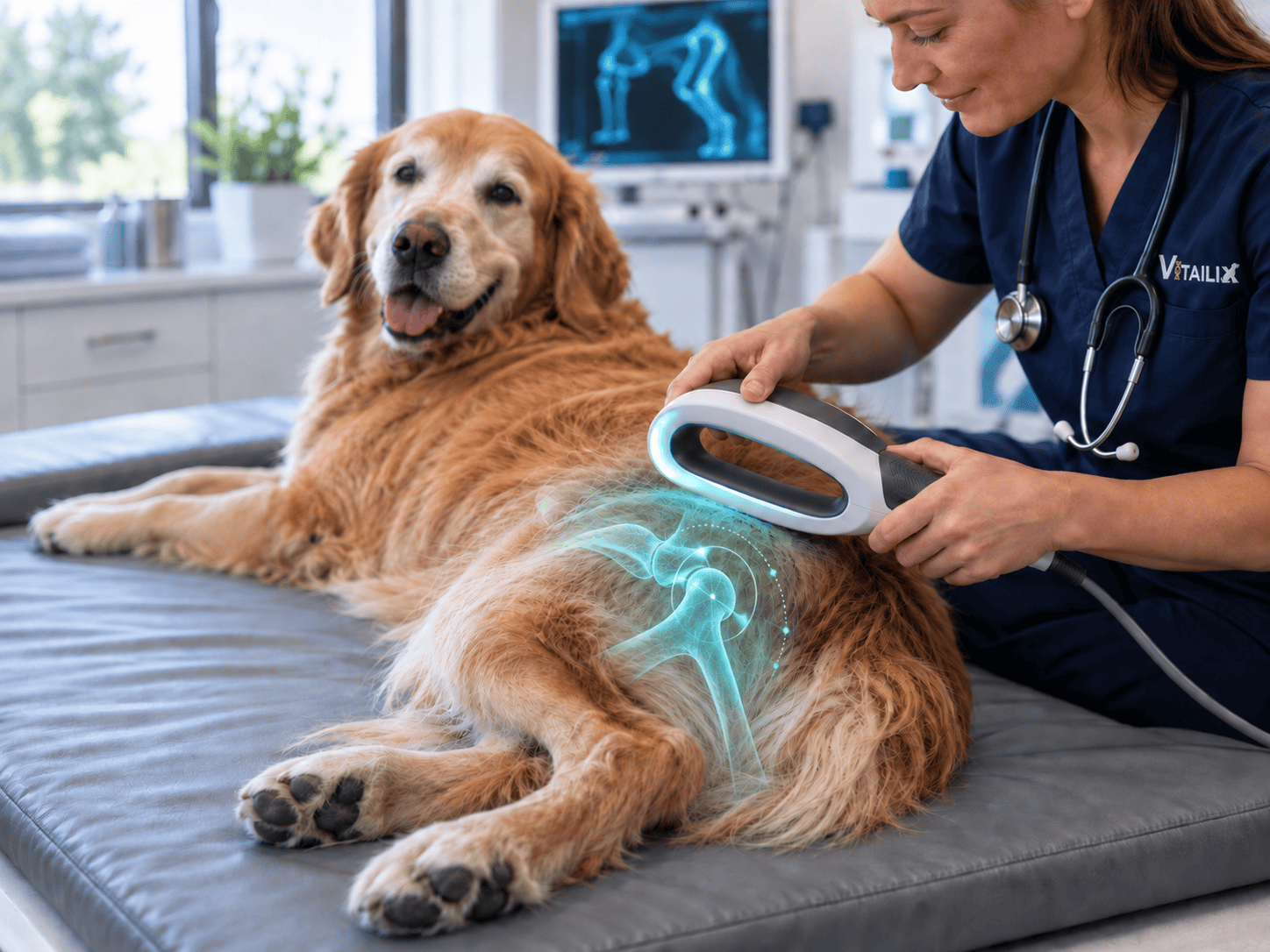
When your dog is dealing with joint pain, slow-healing wounds, or general stiffness, it can be hard to know how to help. This is where PEMF therapy for dogs can play a helpful role. Pulsed electromagnetic field (PEMF) therapy is a gentle, non-invasive treatment that supports your dog’s body at the cellular level, helping reduce inflammation and encourage healing without medication or surgery. If your dog struggles with mobility, is recovering from an injury, or just needs extra support as they age, PEMF therapy can bring real relief safely and gently.
Before starting any new treatment, it’s essential to talk to your veterinarian. They will guide you on the best options based on your dog’s size, health, and individual needs. With the right care, your dog can move more comfortably and feel better day to day. In this blog, you will explore what PEMF therapy is, how it works, and how to know if it might help your furry friend.
Why Use PEMF Therapy for Dogs?
Many pet owners look for gentle, non-invasive ways to support their dog’s comfort and healing. Traditional pain medications sometimes come with side effects like an upset stomach, grogginess, or long-term strain on the liver and kidneys. PEMF therapy works differently. It uses a pulsed magnetic field to mildly influence circulation and cellular activity, helping the body manage inflammation and support its own healing process.
For example, dogs dealing with arthritis, recovering from surgery, or healing a wound often show signs of discomfort. Limping, stiffness, reluctance to move, or low energy are common. PEMF therapy helps ease these signs by gently improving blood flow and calming inflammation in the treated area.
PEMF therapy also tends to be safe for long-term, ongoing use. It has been studied in veterinary medicine for years and does not introduce harsh chemicals into your dog’s body. This makes it a good option for senior dogs, dogs recovering from injury, and dogs managing chronic conditions.
How PEMF Therapy Works
PEMF devices generate a changing magnetic field through coils placed near or under your dog’s body. This field is believed to influence how cells signal, manage inflammation, and support circulation. In simple terms, it gives your dog’s own healing processes a gentle boost, rather than introducing an external medication.
Veterinary researchers have studied PEMF for a range of uses, including bone healing, wound healing, osteoarthritis, and post-operative pain and swelling. Results have been encouraging, though researchers note that more standardized research on dosing is still needed. This means PEMF is a promising, well-tolerated option, but it works best as part of a broader plan guided by your veterinarian rather than a stand-alone cure.
Why You Can’t Just Use a Human PEMF Device on Your Dog
It might be tempting to try a PEMF mat or pad made for people on your dog, but this is not a safe shortcut. Human devices are built for human body size, target areas, and conditions. A setting appropriate for a person’s back is not automatically appropriate for a small dog’s hips or a large dog’s shoulders.
Devices also vary widely in field strength, frequency, and applicator design. A device labeled for general wellness use has not necessarily been evaluated for your dog’s specific condition. Always look for a device or protocol recommended specifically for canine use, ideally with input from your veterinarian or a certified canine rehabilitation professional.
When to Consider PEMF Therapy for Your Dog
PEMF is not needed for every dog, but it can be very helpful in certain situations. You might consider PEMF therapy if your dog.
- Shows signs of stiffness or joint discomfort, especially after resting
- Is recovering from surgery and needs support with healing
- Has a wound that is healing slowly
- Is managing chronic arthritis or mobility challenges
- Has a slow-healing fracture, under veterinary guidance
Using PEMF therapy can help your dog feel more comfortable and move more freely. Remember, it works best alongside other healthy habits such as weight management, appropriate exercise, and good nutrition.
When to Avoid PEMF Without Vet Approval
Even a gentle, non-invasive therapy like PEMF is not right for every dog. If your dog has a pacemaker or other implanted electronic device, is pregnant, has a seizure disorder, or has active cancer, do not use PEMF without direct veterinary guidance. Unexplained skin lesions, active bleeding, or a suspected fungal skin condition should also be evaluated by your vet before starting PEMF.
PEMF therapy offers a gentle, non-invasive way to support your dog’s comfort, mobility, and healing. Whether your dog is managing arthritis, recovering from surgery, or healing a wound, PEMF can be a helpful addition to their care routine with fewer risks than some traditional treatments. Using PEMF alongside a steady routine, good nutrition, and veterinary guidance creates the best results. Your veterinarian is your best partner in deciding whether PEMF therapy is right for your dog.
Help your dog feel better and move more comfortably with safe, guided PEMF solutions from The Biohacked Dog. Visit The Biohacked Dog today to find trusted wellness support for your furry friend.
Frequently Asked Questions
What is PEMF therapy for dogs?
PEMF, or pulsed electromagnetic field therapy, is a gentle, non-invasive treatment that uses magnetic fields tosupport healing, reduce inflammation, and ease discomfort in dogs
Is PEMF therapy safe for all dogs?
Most dogs tolerate PEMF therapy well, but always consult your vet first to make sure it is appropriate for your dog’shealth, age, and any existing conditions.
How long does it take for PEMF therapy to work?
Results vary. Some dogs show improvement within a few weeks of consistent use, especially for chronic conditionslike arthritis.
Can I use a human PEMF device on my dog?
This is not recommended without professional guidance. Human devices are not automatically sized or dosedcorrectly for a dog’s body.
What conditions is PEMF commonly used for in dogs?
Common uses include joint stiffness and arthritis, post-surgical recovery, wound healing, and slow-healing fractures.