
With so many PEMF products on the market, it can be hard to know which one is actually right for your dog. This is where a little guidance goes a long way. Pulsed electromagnetic field (PEMF) therapy is a gentle, non-invasive treatment that can support your dog's healing and comfort, but not every device on …

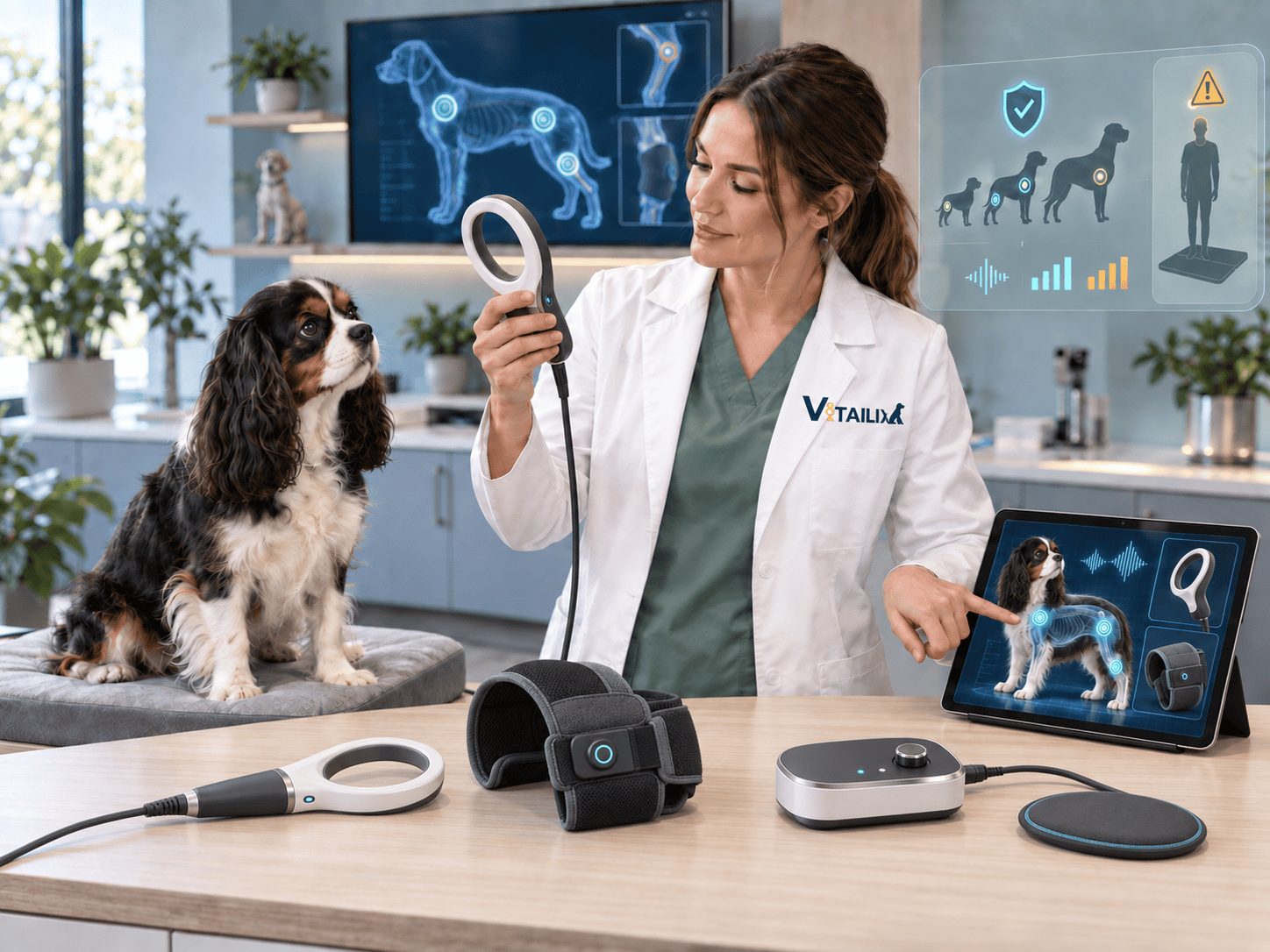
With so many PEMF products on the market, it can be hard to know which one is actually right for your dog. This is where a little guidance goes a long way. Pulsed electromagnetic field (PEMF) therapy is a gentle, non-invasive treatment that can support your dog’s healing and comfort, but not every device on the market is designed with your dog’s safety and needs in mind. If you are considering PEMF therapy for your dog, choosing the right device safely and thoughtfully makes all the difference.
Before purchasing any PEMF device, it’s essential to do your research in addition talking with a veterinarian who understands this treatment. They will guide you on whether PEMF is appropriate for your dog and help you understand what to look for in a safe, effective product. In this blog, you will explore how to evaluate PEMF devices and learn how to avoid common marketing pitfalls.
Why Careful Device Selection Matters
Many pet owners assume that any PEMF device marketed for pets is automatically safe and effective. This is not always the case. Veterinary devices generally do not go through the same premarket testing and approval process that human medical devices do. This means a product labeled for pet use may not have been validated for your dog’s specific condition, size, or safety needs.
Choosing carefully helps you avoid products that oversell their benefits, use vague marketing language instead of real specifications, or are not appropriately dosed for your dog’s body.
Why a Human PEMF Device Isn’t Automatically Right for Your Dog
It might seem convenient to use a PEMF mat or pad made for people on your dog, but this is not a safe shortcut. Most veterinarian grade PEMF’s have hoops or wands vs a mat. Human devices are designed around human body size, target areas, and conditions. A device built for a person’s back is not automatically appropriate for a small dog’s hips or a large dog’s shoulders.
Devices also vary in field strength, frequency, and applicator design. A larger dog, a small dog, and a person are not simply scaled versions of the same patient, so settings that work for one may not be safe or effective for another.
What to Look for in a Safe PEMF Device
When evaluating a PEMF device for your dog, look for:
- Clear, real technical specifications, rather than vague wellness language
- Canine-specific instructions and safety information
- A clearly stated intended use, rather than claims that it treats every condition
- Involvement of veterinary or canine rehabilitation professionals in the product’s design or recommended use
- A real return policy and accessible customer support
If a product page relies mostly on testimonials and vague language about energy or frequency healing, rather than actual specifications, treat that as a sign to look further before buying.
When to Consider PEMF Therapy for Your Dog
You might consider PEMF therapy if your dog:
- Has joint stiffness or arthritis
- Is recovering from surgery or an injury
- Has a wound that is healing slowly
- Has been evaluated by your vet as a good candidate for PEMF
When to Avoid PEMF Without Vet Approval
Regardless of which device you choose, PEMF should not be used without direct veterinary guidance if your dog has a pacemaker or other implanted electronic device, is pregnant, has a seizure disorder, or has active cancer. Unexplained skin lesions, active bleeding, or a suspected fungal skin condition should also be evaluated by your vet before starting PEMF. If you will be near the device during your dog’s sessions, your own health conditions, such as a pacemaker or pregnancy, should also be considered.
Choosing the right PEMF device for your dog takes a little extra care, but it is well worth it for their safety and comfort. Look past the marketing language, ask for real specifications, and involve your veterinarian in the decision. With the right device and the right guidance, PEMF therapy can be a safe, helpful addition to your dog’s care routine.
Find safe, vet-guided PEMF solutions and recovery support for your dog with The Biohacked Dog. Visit The Biohacked Dog today to learn more about trusted wellness options for your furry friend.
Frequently Asked Questions
How do I know if a PEMF device is safe for my dog?
Look for real technical specifications, canine-specific instructions, and a company that involves veterinaryprofessionals in their product design.
Can I use a human PEMF mat on my dog?
This is not recommended. Human devices are not automatically sized or dosed correctly for a dog’s body andcondition
Does "FDA-registered" mean a PEMF device is proven to work?
Not necessarily. Veterinary wellness devices are not held to the same testing standards as human medical devices, soregistration alone does not prove effectiveness for a specific condition.
Should I talk to my vet before buying a PEMF device?
Yes. Your veterinarian can help confirm whether PEMF is appropriate for your dog and guide you toward a safe,suitable device.
What red flags should I watch for when shopping for a PEMF device?
Be cautious of vague marketing language, claims that the device treats every condition, and a lack of real technicalspecifications.