PEMF Therapy for Dogs: Supporting Recovery After Surgery and Injury When your dog is recovering from surgery or healing from a wound, it can be hard to know what more you can do to help besides wait. This is where PEMF therapy for dogs can play a helpful role. Pulsed electromagnetic field (PEMF) therapy is …

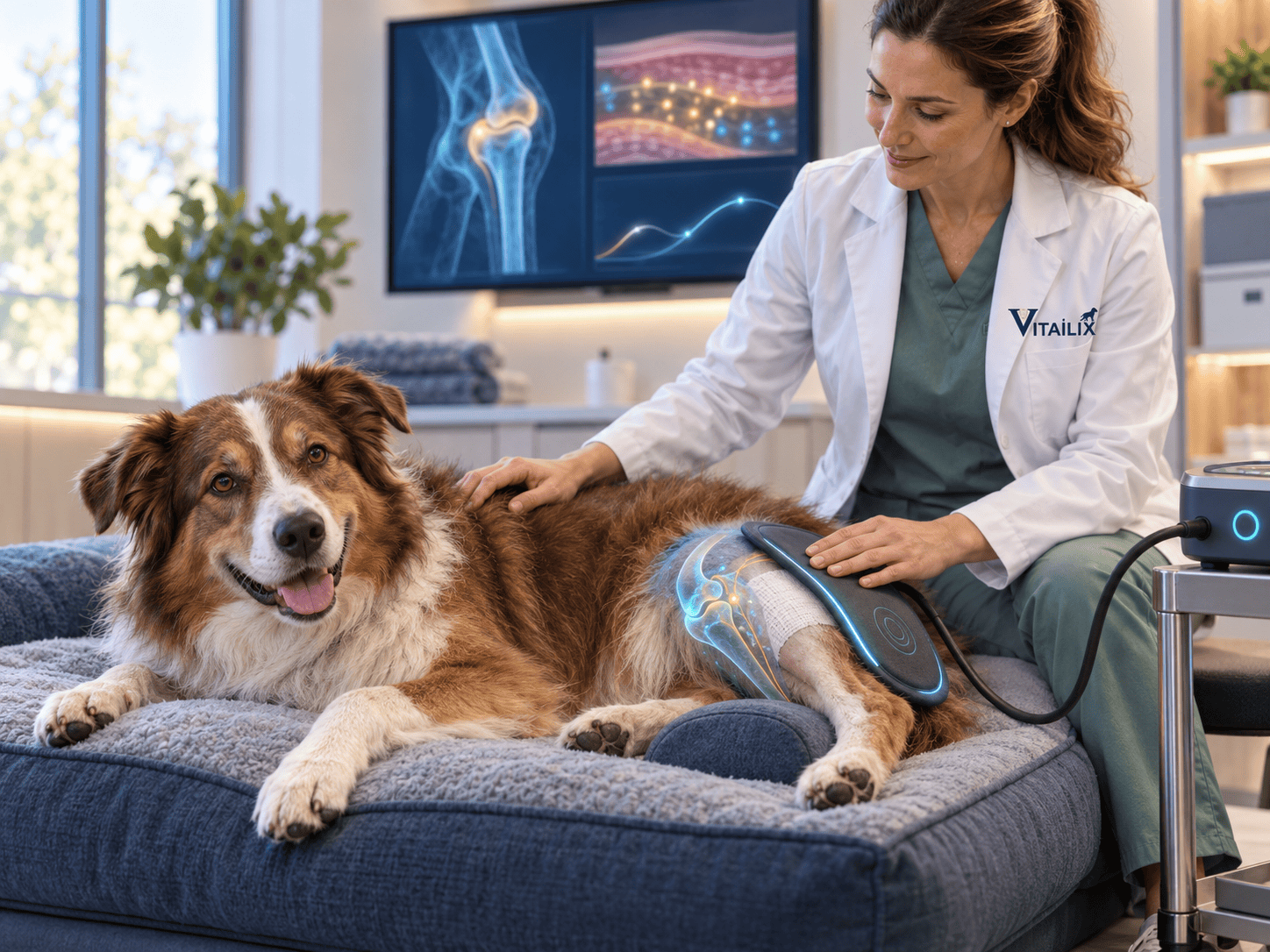
PEMF Therapy for Dogs: Supporting Recovery After Surgery and Injury
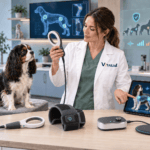
When your dog is recovering from surgery or healing from a wound, it can be hard to know what more you can do to help besides wait. This is where PEMF therapy for dogs can play a helpful role. Pulsed electromagnetic field (PEMF) therapy is a gentle, non-invasive treatment that supports your dog’s natural healing process, helping wounds close faster and recovery feel more comfortable. If your dog just had surgery or is healing from an injury, PEMF therapy can bring real support safely and gently.
Before starting any new treatment, it’s essential to talk to your veterinarian or surgeon. They will guide you on the best options based on your dog’s procedure, health, and individual needs. With the right care, your dog can recover more smoothly and comfortably. In this blog, you will explore how PEMF therapy supports recovery and learn how to use it safely alongside your vet’s care plan.
Why Use PEMF Therapy During Recovery?
Recovery from surgery or injury depends heavily on good circulation, healthy oxygen delivery to healing tissue, and a well-managed inflammatory response. PEMF therapy is believed to gently support all three, which may help wounds heal more efficiently and reduce discomfort along the way.
Traditional pain medications are often necessary during recovery, but they can come with side effects like grogginess or digestive upset. PEMF therapy offers a gentle, non-invasive option that works alongside prescribed pain management, potentially reducing how much medication is needed over time
What the Research Shows
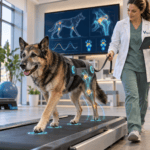
Veterinary studies have found encouraging results for PEMF in post-surgical and wound-healing settings. Dogs recovering from spine surgery who received PEMF therapy showed improved wound healing and needed less pain medication. Other research has found that wounds heal faster in dogs treated with PEMF compared to dogs who were not. This is one of the areas where PEMF has some of the strongest veterinary evidence behind it.
Building PEMF Into a Recovery Plan
PEMF therapy should never replace your veterinarian’s recovery instructions. It works best as an added layer alongside:
- Following your surgeon’s activity restrictions closely
- Any pain management your vet has prescribed
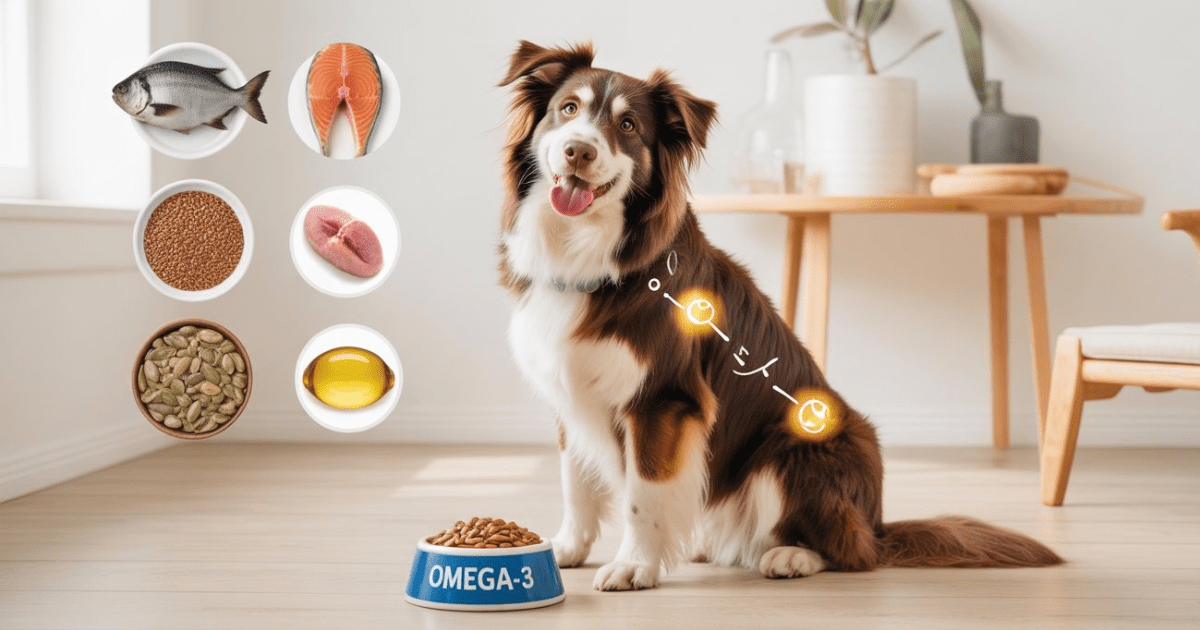
- Proper nutrition to support tissue repair
- Regular wound checks for signs of infection or delayed healing
Ask your vet or a certified canine rehabilitation professional whether PEMF is appropriate for your dog’s specific procedure, and how often and how long sessions should be.
When to Consider PEMF Therapy for Recovery
You might consider PEMF therapy if your dog:
- Recently had surgery and is in the early recovery period
- Has a wound that is healing slower than expected
- Is dealing with a fracture that needs extra support healing
- Has had traumatic injury (like Grace being hit by a car)
- Has been cleared by your vet as a good candidate for PEMF alongside their recovery plan
When to Avoid PEMF Without Vet Approval
PEMF should not be used without direct veterinary guidance if your dog has a pacemaker or other implanted electronic device, active bleeding, a wound that looks infected, or suspected fungal skin involvement near the treatment area. Any sign that recovery is going worse rather than better, such as new pain, swelling, discharge, or lethargy, needs an immediate call to your vet before trying any home therapy. It is a magnet, so caution should be used around the equipment with cell phones keys or other metal devices.
PEMF therapy can be a valuable, gentle addition to your dog’s recovery plan after surgery or injury, supporting healing and comfort alongside your veterinarian’s guidance. Used correctly, PEMF may help your dog heal more efficiently and feel better along the way. Your veterinarian or surgeon is your best partner in building the right recovery plan for your dog.
Help your dog heal and recover comfortably with safe, guided PEMF solutions from The Biohacked Dog. Visit The Biohacked Dog today to find trusted recovery support for your furry friend
Frequently Asked Questions
Can PEMF therapy help my dog recover from surgery?
Yes, veterinary research has shown PEMF may support faster wound healing and reduced pain medication needsafter certain surgeries, when used alongside your vet’s care plan
When can I start PEMF therapy after my dog's surgery?
This should be decided by your surgeon or veterinarian based on the specific procedure and your dog’s healingprogress.
Can PEMF speed up wound healing?
Research suggests PEMF may support faster wound healing in some cases, though results can vary by wound typeand treatment protocol.
Is PEMF a replacement for pain medication after surgery?
No. PEMF should be used alongside, not instead of, any pain management your veterinarian has prescribed.
What should I watch for during my dog's recovery?
Keep an eye on the wound for signs of infection, and monitor your dog’s appetite, energy, and mobility, reportingany concerns to your vet right away.