When your dog is going through chemotherapy, it can affect their appetite and overall comfort. Dogs undergoing cancer treatment can experience nausea, reduced appetite, and digestive upset, just as people often do during similar treatments. This is where Chinese herbal medicine can play a helpful supportive role. These remedies work alongside your oncology team's protocol …

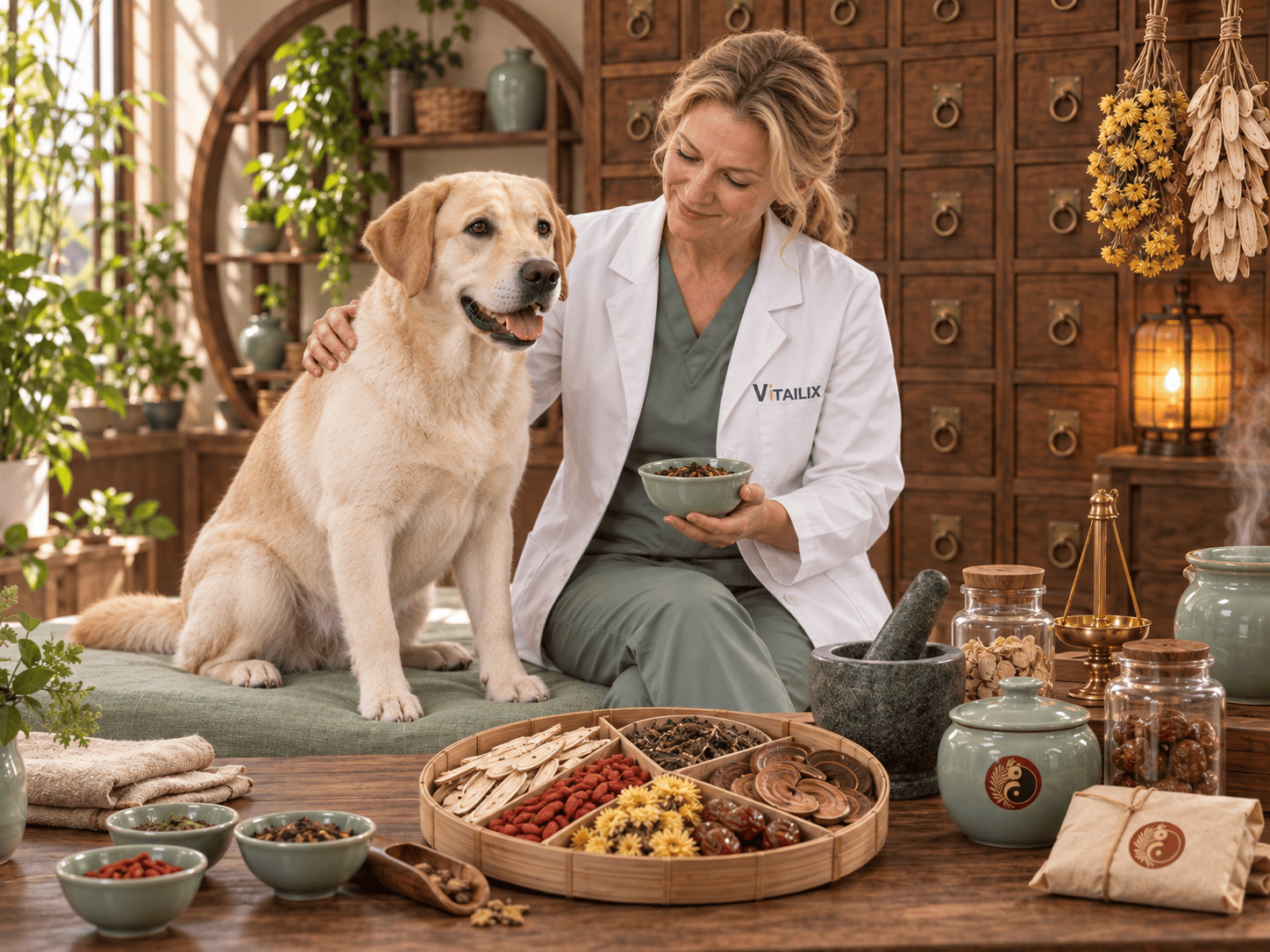
When your dog is going through chemotherapy, it can affect their appetite and overall comfort. Dogs undergoing cancer treatment can experience nausea, reduced appetite, and digestive upset, just as people often do during similar treatments. This is where Chinese herbal medicine can play a helpful supportive role. These remedies work alongside your oncology team’s protocol to ease digestive side effects, not to treat the cancer itself. If your dog is struggling with appetite or digestion during treatment, herbal support can bring gentle relief.
Before starting any new treatment, it’s essential to talk to your veterinary oncology team. They will guide you on the best supportive options based on your dog’s treatment protocol, current medications, and overall health. With the right care, your dog can stay more comfortable through each stage of treatment. In this blog, you will explore how Chinese herbal medicine may support dogs going through chemotherapy and what the research actually shows.
Why Use Chinese Herbal Medicine During Chemotherapy?
Many pet owners look for additional ways to keep their dog comfortable during cancer treatment.
Chemotherapy drugs are effective tools in veterinary oncology, but they can come with side effects like reduced appetite, nausea, and slowed digestion. Managing these side effects well matters — it keeps dogs eating, keeps their strength up, and helps keep treatment on schedule.
Herbal support in this context is aimed narrowly at comfort and digestive function, working alongside the anti-nausea medication and nutritional support your oncology team already provides. It’s not a treatment for the cancer itself, and it’s important to keep that distinction clear from the start.
Common Herbal Options for Chemotherapy Support
Research in this area is narrower than in other conditions, but a few options have specific supportive evidence:
- Juzen-taiho-to is a traditional formula studied in dogs that showed improved gastric motility and reduced vincristine-associated gastrointestinal side effects.
- Broader digestive-support herbal blends may be recommended by a TCVM-trained vet to
complement standard anti-nausea and appetite-stimulant medications. - Food therapy principles from TCVM may also be applied to help make meals more appealing and easier to digest during treatment.
Choosing the right option depends on your dog’s specific treatment protocol and how they’re
responding. Your oncology team can help determine what’s appropriate to add.
How to Use Herbal Support Safely During Chemotherapy
Natural does not mean risk-free, and this is especially true for dogs undergoing cancer treatment. Using these remedies correctly ensures your dog benefits fully without complicating their care. First, never add an herbal formula without direct approval from your oncology team, since dogs on chemotherapy are often on multiple medications with altered liver or kidney function.
Coordinate the timing of any herbal support with your dog’s treatment and bloodwork schedule. Track appetite, stool quality, and energy day to day so your care team has real information about whether the addition is helping. Watch closely for any new or worsening symptoms and report them immediately.
Don’t substitute herbal support for prescribed anti-nausea medication — the two may be used together under guidance, but that decision belongs to your oncology team, not to trial and error at home.
When to Consider Herbal Support for Your Dog During Chemotherapy
Herbal support isn’t necessary for every dog undergoing treatment, but it can be helpful in specific situations. If your dog is struggling with appetite or digestive side effects during chemotherapy, it may be worth raising with your care team.
You might consider herbal support if your dog:
- Shows reduced appetite or nausea tied specifically to chemotherapy cycles.
- Has slowed digestion or gastrointestinal discomfort during treatment.
- Is otherwise stable and cleared by their oncology team to add supportive care.
- Is already on standard anti-nausea and appetite support but could use additional help.
- Has a care team open to integrating evidence-informed supportive options.
Using herbal support thoughtfully can add comfort during a genuinely difficult time. Remember, it works only alongside — never instead of — your dog’s prescribed cancer treatment.
Supporting Comfort with Routine and Environment
Herbal support is most effective when combined with a calm, consistent routine during treatment. Keep feeding times predictable and offer smaller, more frequent meals if appetite is reduced. A quiet, comfortable resting space helps dogs recover between treatment sessions.
Gentle activity, when your dog feels up to it, can support overall well-being without overtaxing their energy. Warm, easy-to-digest foods are often better tolerated during treatment than rich or heavy meals. Emotional support matters too — familiar routines and quiet companionship help reduce stress during an already difficult time.
Work closely with your oncology team to adjust nutrition and comfort strategies as treatment
progresses, since needs can shift from one cycle to the next.
When to Avoid Herbal Support Without Oncology Team Approval
Even well-studied herbal formulas are not appropriate for every dog undergoing cancer treatment. If your dog has significant liver or kidney impairment, a bleeding disorder, or is on a complex medication regimen, herbal support should never be started without direct oncology team guidance.
Never treat herbal formulas as an alternative to your dog’s chemotherapy protocol — they are
supportive tools for comfort, not cancer treatments. Any sudden or severe symptoms, including
significant bleeding, breathing difficulty, or collapse, require immediate emergency veterinary care, not a wait-and-see approach.
Always disclose every supplement and herbal product to your oncology team, even ones that seem harmless, since interactions with chemotherapy drugs can be serious.
Final Thoughts
Chinese herbal medicine can offer real, narrowly-focused support for dogs experiencing digestive side effects during chemotherapy, helping keep them more comfortable through treatment. Used correctly, alongside your veterinary oncology team’s guidance, it can be a valuable piece of your dog’s overall comfort plan. Your oncology team is your best partner in deciding whether herbal support is appropriate and how to use it safely alongside your dog’s treatment protocol.
Support your dog’s comfort and wellness through every stage of care with vet-guided solutions from The Biohacked Dog. Visit The Biohacked Dog today to learn more about integrative support for your dog’s health journey.
Frequently Asked Questions
Can Chinese herbal medicine treat my dog's cancer?
No. Herbal formulas discussed here are for supportive care, such as easing digestive side effects, not fortreating cancer itself.
Is it safe to give my dog herbal supplements during chemotherapy?
Only with direct approval from your oncology team, since dogs on chemotherapy are more vulnerable tointeractions and side effects.
What herbal formula has been studied for chemotherapy side effects in dogs?
Juzen-taiho-to has been studied for its effect on gastric motility and vincristine-associatedgastrointestinal side effects in dogs.
Will herbal support help with my dog's blood cell counts during treatment?
Current research on formulas like Juzen-taiho-to has shown benefits for digestive side effects, but notfor hematologic effects of chemotherapy.
Who should I talk to before starting herbal support during my dog's cancer treatment?
Your veterinary oncologist or care team, who can evaluate your dog’s full treatment plan andmedication list before recommending anything additional.